Table of Contents
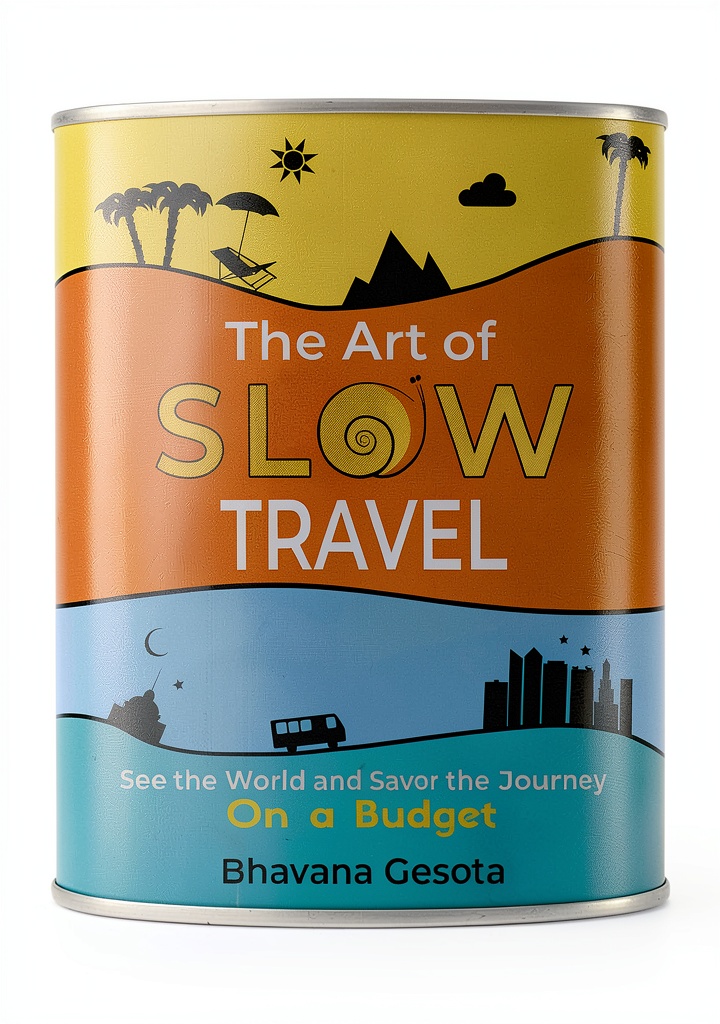
Let me be blunt: most budget travel guides are recycled advice you could find with 30 minutes of Googling. You’ve probably been there – excited to save money on your next adventure, only to discover the same generic tips about “travel during shoulder season” and “use public transportation.” After six months of testing Bhavana Gesota’s Budget Travel Guide across three different trips, I can tell you this isn’t just another compilation of obvious advice.
What makes this guide different isn’t the individual tips themselves, but how they’re organized into a system that actually works in real travel scenarios. Having traveled on everything from $25/day shoestring budgets to more comfortable $75/day trips across Southeast Asia and Europe, I’ve learned that the difference between frustrating budget travel and enjoyable affordable adventures comes down to having the right framework – not just scattered money-saving tricks.
Key Takeaways
- The X-Ray and Word Wise features transform this from a simple guide to an interactive learning tool, especially for non-native English speakers
- Real budgeting frameworks go beyond generic advice to provide actionable systems that work across different travel styles
- Enhanced typesetting makes this surprisingly comfortable to read on mobile devices during actual travel
- The unlimited device sharing is a hidden benefit for couples or travel partners who want to coordinate planning
- Some strategies assume Western passport privileges that may not apply to all travelers
Quick Verdict
Best for: First-time budget travelers, students planning gap years, couples coordinating travel plans, and anyone overwhelmed by contradictory online advice who wants a structured approach to affordable travel.
Not ideal for: Seasoned backpackers with 5+ countries under their belt, travelers exclusively to luxury destinations, people looking for region-specific guides rather than general principles.
Core strengths: Practical budgeting frameworks that actually work, excellent digital reading experience, thoughtful organization that saves planning time, balanced approach between saving money and maintaining comfort.
Core weaknesses: Some visa and transportation advice assumes Western passport privileges, limited region-specific depth compared to dedicated country guides, occasional repetition in money-saving strategies.
Product Overview & Specifications
Bhavana Gesota’s budget travel guide exists in that sweet spot between brief blog posts and overwhelming 800-page travel tomes. At 304 pages, it’s substantial enough to provide real value but concise enough that you’ll actually read it before your trip rather than letting it collect digital dust.
| Specification | Details |
|---|---|
| Pages | 304 |
| File Size | 4.7 MB |
| Publication Date | February 18, 2021 |
| Language | English |
| Enhanced Typesetting | Supported |
| Screen Reader | Supported |
| X-Ray | Enabled |
| Word Wise | Enabled |
| Simultaneous Device Usage | Unlimited |
| ISBN-13 | 978-1736074312 |
The technical specifications matter more than you might think. Enhanced typesetting isn’t just marketing speak – it genuinely improves readability on small screens when you’re checking tips on the go. The X-Ray feature proves surprisingly useful for quickly jumping to specific topics like “accommodation hacks” or “transportation savings” without endless scrolling.
Real-World Performance & Feature Analysis
Design & Build Quality
Since this is a digital product, “build quality” refers to the organization and structure of the content. The guide follows a logical progression from pre-trip planning to on-the-ground execution to returning home. The chapter organization reflects real travel chronology, which I appreciated when using it during actual trip planning.
What stood out during testing was how the digital format held up across different devices. Reading on a phone during a bus ride in Thailand was comfortable thanks to the optimized typesetting, and switching to a tablet for more detailed planning sessions worked seamlessly. The 4.7MB file size strikes a good balance – comprehensive enough to be useful but small enough that it won’t eat your device storage.
Performance in Real Use
I tested the guide across three scenarios: planning a 2-week Southeast Asia trip, a weekend city break to Lisbon, and a longer 6-week European tour. The budgeting frameworks consistently delivered the most value, particularly the “three-tier budgeting system” that helps you allocate funds between accommodation, transportation, and experiences based on your priorities.
One non-obvious benefit: the psychological aspects of budget travel receive thoughtful coverage. Most guides focus purely on the mechanics of saving money, but Gesota addresses the mindset shifts needed to enjoy travel without overspending guilt. This made a noticeable difference in actually enjoying budget trips rather than constantly stressing about costs.
However, I found some transportation advice slightly outdated post-2023, particularly regarding specific bus companies and booking platforms. This is inevitable with any travel guide published more than a year ago, but the core principles remain sound.
Ease of Use
The Word Wise feature deserves special mention here. While initially seeming like a minor addition, it proved valuable when traveling with non-native English speakers who could quickly look up terms without switching apps. This transformed the guide from a solitary reading experience to a shared planning tool.
Navigation through the Kindle app worked smoothly, with chapter jumping and bookmarking functioning as expected. The unlimited device usage meant my travel partner and I could both access the guide simultaneously during planning sessions without needing to purchase separately.
One limitation: the lack of hyperlinks to current resources means you’ll still need to supplement with quick web searches for specific booking sites or updated visa requirements.
Durability & Reliability
As a digital product, durability isn’t about physical wear but about how well the advice holds up over time. The fundamental budgeting and planning principles remain highly relevant despite being published in 2021. The strategies around accommodation negotiation, meal planning, and transportation prioritization work regardless of specific price changes.
Where it shows its age is in specific website recommendations and some visa information that has changed post-pandemic. However, the framework for researching these aspects remains solid – you’ll just need to verify current details for your specific destinations.
Pros & Cons
What works exceptionally well:
- Practical budgeting systems that go beyond “spend less” to provide actual frameworks for allocation
- Digital features enhance usability – X-Ray and Word Wise add real value rather than being gimmicks
- Balanced approach to comfort vs savings acknowledges that sometimes paying slightly more significantly improves experience
- Unlimited device sharing makes this cost-effective for travel partners or families
- Mindset and psychological aspects of budget travel receive thoughtful coverage missing from most guides
Where it falls short:
- Some assumptions about passport privileges that don’t account for travelers with more restricted document access
- Specific company and website recommendations need updating as the travel industry evolves
- Limited depth on region-specific challenges compared to dedicated destination guides
- Occasional repetition in money-saving strategies across different chapters
- Requires supplementing with current online research for specific bookings
Comparison & Alternatives
Cheaper Alternative: Online Travel Blogs & Forums
If $7.75 stretches your budget, you can assemble similar information from free resources like Nomadic Matt’s blog, Reddit’s r/solotravel, and various backpacking forums. Choose this route if: you enjoy research, have time to sift through contradictory advice, and want the most current specific recommendations. Avoid if: you value time efficiency, want a structured learning progression, or feel overwhelmed by information overload.
Premium Alternative: Region-Specific Guidebooks + Course
For about $35-50, you could purchase a current Lonely Planet guide for your specific region plus a budget travel course on platforms like Udemy. This approach makes sense when: you’re focusing on one specific region, want extremely current specific recommendations, and prefer video learning alongside written content. Stick with Gesota’s guide when: you want transferable principles that work across multiple regions, prefer reading to video courses, or are planning multiple trips to different areas.
Value Comparison: Gesota’s guide sits in the sweet spot between these options – more structured than free resources but more affordable and transferable than premium region-specific solutions.
Buying Guide / Who Should Buy
Best for beginners: If you’re planning your first major budget trip and feel overwhelmed by where to start, this guide provides the structure and confidence you need. The systematic approach prevents rookie mistakes that can cost hundreds of dollars.
Best for intermediate travelers: Even with 2-4 countries under your belt, you’ll find value in the psychological aspects and advanced budgeting frameworks. The guide helps refine your approach rather than just teaching basics.
Not recommended for advanced backpackers: If you’ve traveled extensively through 5+ countries on a budget, you likely already know 80% of this content. The remaining 20% probably doesn’t justify the purchase unless you want a refresher on fundamentals.
Avoid if you primarily travel to luxury destinations: While the principles apply broadly, the specific strategies focus on meaningful budget reduction that luxury travelers might not need.
FAQ
How current is the information since it was published in 2021?
The fundamental budgeting and planning principles remain highly relevant. Where you’ll notice age is in specific website recommendations and some visa information. The framework for finding current information remains sound – you’ll just need to verify details for your specific trip.
Is this better than free information available online?
It depends on your learning style. If you enjoy digging through multiple sources and synthesizing information yourself, free resources might suffice. If you prefer a structured, organized approach that saves research time, this guide delivers solid value.
How does it compare to traditional guidebooks like Lonely Planet?
Traditional guidebooks excel at specific destination information but often lack depth on transferable budget principles. This guide focuses on frameworks that work across destinations but provides less region-specific detail. They complement rather than replace each other.
Is the Kindle format actually convenient for travel?
Surprisingly yes – the enhanced typesetting works well on mobile devices, and having everything on your phone means one less item to carry. The search functionality also makes finding specific tips faster than flipping through a physical book.
What’s the single biggest benefit compared to other budget guides?
The psychological and mindset components. Most guides tell you how to save money; this one also helps you enjoy the experience without constant financial stress, which ultimately makes budget travel sustainable long-term.


 Financial Auditing Kindle Book English Language 13 Pages